
By Newton Kalua
20/03/2025
Safety and dignity in Malawi’s maternity wards remain a tall order. At many public health facilities, mothers and newborns are welcomed not by clean water and safe toilets, but by blocked systems, dry taps, and prolonged stock-outs of basic supplies. The result is predictable yet preventable: women giving birth in unsafe conditions, frontline healthcare workers struggling without gloves or soap, and communities quietly accepting that broken systems cannot be fixed.
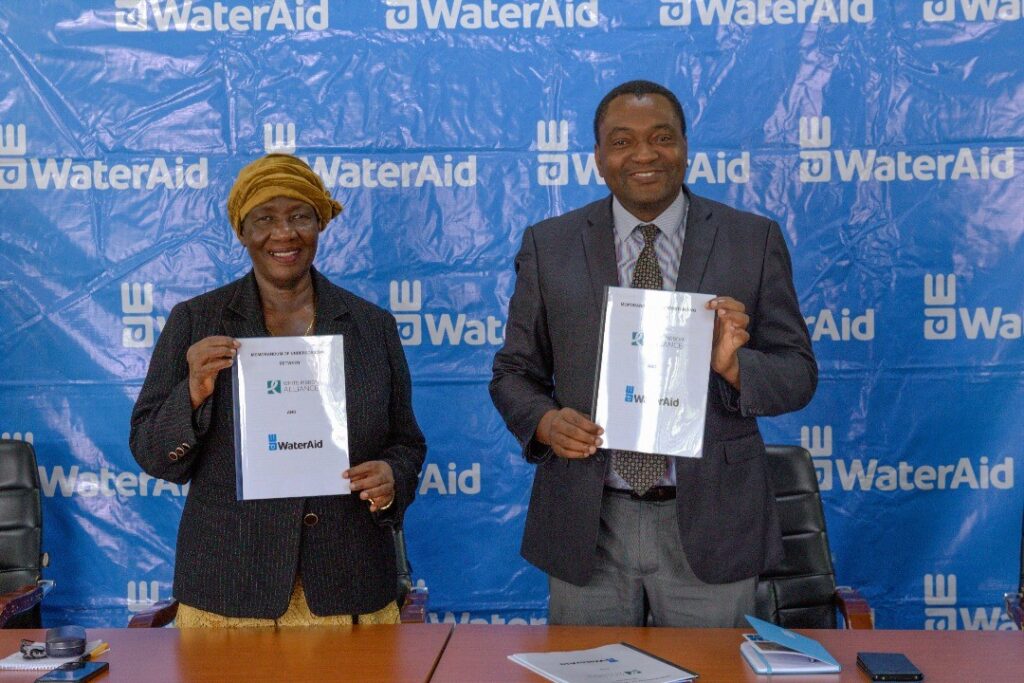
To break this cycle, White Ribbon Alliance for Safe Motherhood Malawi (WRASM) and WaterAid Malawi (WAMA) have joined forces to spearhead the Women’s Health Campaign. The campaign aims to empower women and frontline healthcare workers to exercise their rights to clean, safe, and dignified healthcare environments. At its core, it seeks to shift the conversation from “needs” to “entitlements,” placing women’s voices and lived experiences at the center of solutions.
The partners started the journey by convening a high-level consultative meeting, bringing together officials from the Ministry of Health and the Ministry of Water and Sanitation. The session drew experts from reproductive health, nursing and midwifery, community services, and policy planning to shape the Women’s Health Campaign.
Speaking during the meeting, Deputy Director of Nursing and Midwifery Services, Emily Gama, described the campaign as a “game changer,” noting its potential to spotlight the challenges women and healthcare workers face in public health facilities and to make maternal and child health a national priority.
The campaign rolled, soon after the productive meeting, with listening sessions between February and March 2025, reaching 25 facilities in Chitipa, Kasungu, Ntchisi, Mangochi, and Balaka. Over 820 women maternity facility users and health workers; Nurses and Midwives, Hospital Attendants, Disease Control and Surveillance Assistants and Facility In-Charges, responded to three questions: what is the current status of WASH at your facility, how does it affect you, and what can be done to improve it? The answers revealed sobering realities.
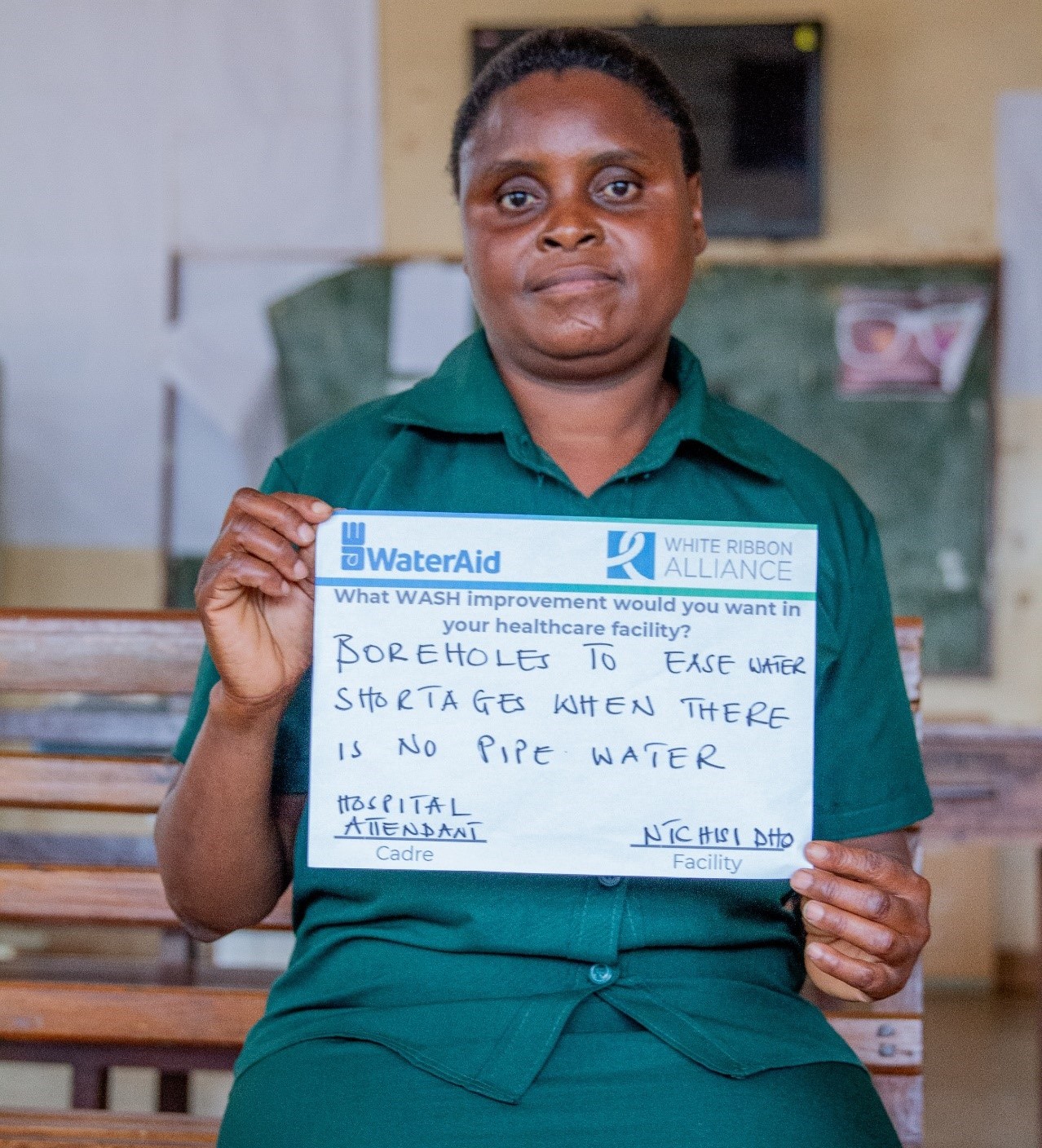
At Chisansu Health Centre in Chitipa, staff rely on an unsafe open stream when taps run dry. At Mangochi District Hospital, one solar-powered pump struggles to serve a maternity wing that handles more than 1,200 deliveries a month. In Ntchisi, a mother recalled being told to pile-up her clothing and wash them at home after being discharged when she delivered because there was no water. Toilets and bathrooms were another recurring concern, often unsafe, too few, or completely out of order. A hospital attendant at Chisansu said they clean surroundings every day but without soap or protective gear at times, making infection prevention “a formality rather than protection.”
Yet the sessions also uncovered promising examples; Nthondo Health Centre in Ntchisi district had improved WASH systems, credited to earlier WaterAid investments. These glimpses of progress underscored that change is possible with the right commitment and resources.
Armed with evidence, WRASM and WAM convened district entry meetings to share findings and build alliances, this time around focusing on three districts for a start; Kasungu, Ntchisi and Mangochi.
In the districts, Health leaders welcomed the initiative, stressing the need for collective responsibility.
Ntchisi District Nursing Officer, Ndindase Maganga called for collective responsibility: “We need to move together with the community. Coming together will yield fruitful results.”
“There is a tendency where people, both women and health workers, work in isolation when it comes to WASH and maternal health. We must unite and be proactive, not reactive,” concurred James Manda, Mangochi District Water Development Officer.
In Kasungu, District Health Services Director Dr. Emmanuel Golombe added: “Money is there, but communities must be trained to know what they don’t know, so they can demand what they’re entitled to.”
The campaign has since begun training women service users and frontline health workers as WASH champions, creating advocacy structures in each facility. By 2026, it aims to mobilise these voices to demand improved services, strengthen advocacy capacity to hold leaders accountable, and leverage the 2025 General Elections to secure political commitments for investment in WASH.
Using the Ask, Listen, and Act approach, the Women’s Health Campaign is determined to turn evidence into accountability and give every woman, newborn, and health worker the dignity of clean and safe care.